This is my final assignment submission, on a manifesto based on the one thing I love most, Animals.
Manure, a smell that makes some people gag, but to those that have grown up on farms with animals, they are used to the scent and it makes them feel at home. Walking into the barn is like walking into a piece of heaven, with the smell of dirt and hearing the horse’s tails swishing. The breeze flows through the rustic rafters and the sunlight pours through all the openings. The kind of arts that can capture these feelings are the best, being able to be at one with animals and being able to understand how they function. These arts can include those that are of actual animals, or against the corporations and businesses trying to take these feelings away. Those that are trying to build even more houses on land and in woods where animals have been thriving for years and now are being invaded. When artists portray the beauty that animals have and how their freedom should be saved instead of squashed, we are closer to canceling out those corporations.
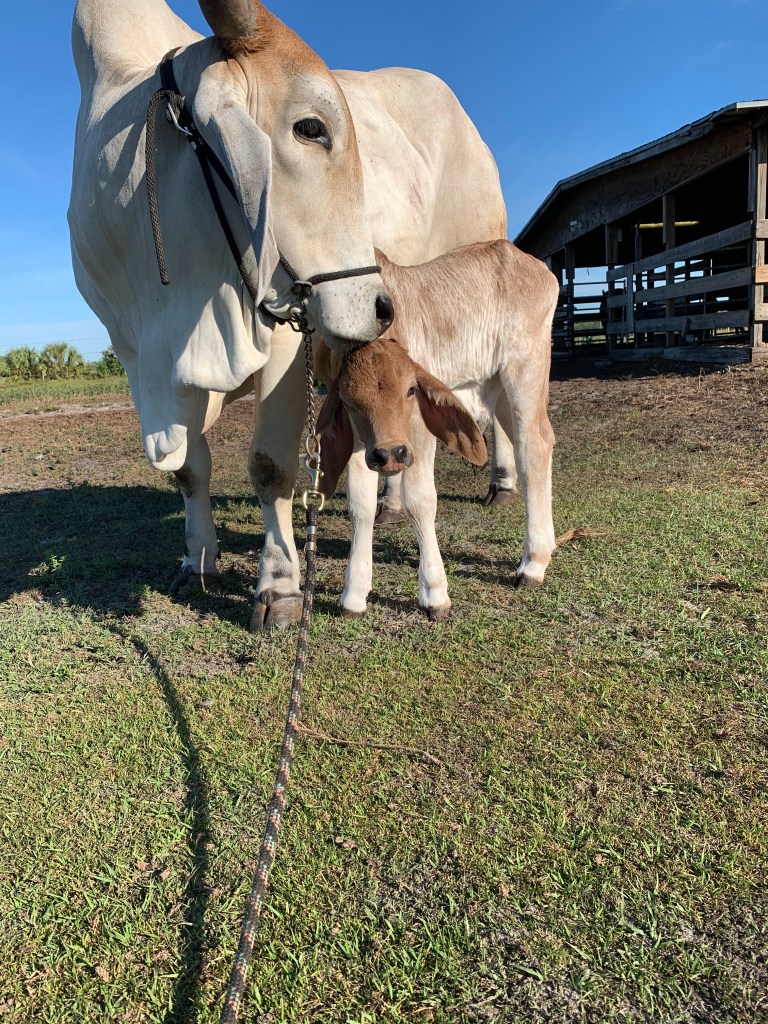
The beauty that animals represent are best shown in photography that show their full natural beauty. An example of this is the M.9: Photographer’s Eye assignment. This was done on a little calf and his growth from when he was born to the strong bull calf he is today. We got to see how this little fragile pile of bones and skin turned into this massive, buff, bull calf that would make people tremble in their boots if they did not know his personality. That is another aspect of photography, it can show the personality of its subject better than most people think. In this blog post, you can tell how this once shy and conserved baby turned into this proud, rambunctious child just by the poses that the photos were taken in. Another blog post that consists of photography is the M.2: Representative Work. It again features the little calf, but his mother accompanies him in this picture. This post is more focused on the motherly instincts that Kindle has for her calf. This represents perfectly the raw, natural instincts that animals live their lives by. They are not affected or changed because of trends or what people say to us like humans are. They live their lives freely, to act how they wish to act. Both photography arts can express the wonderful aspects of animals and how they can even relate to humans.
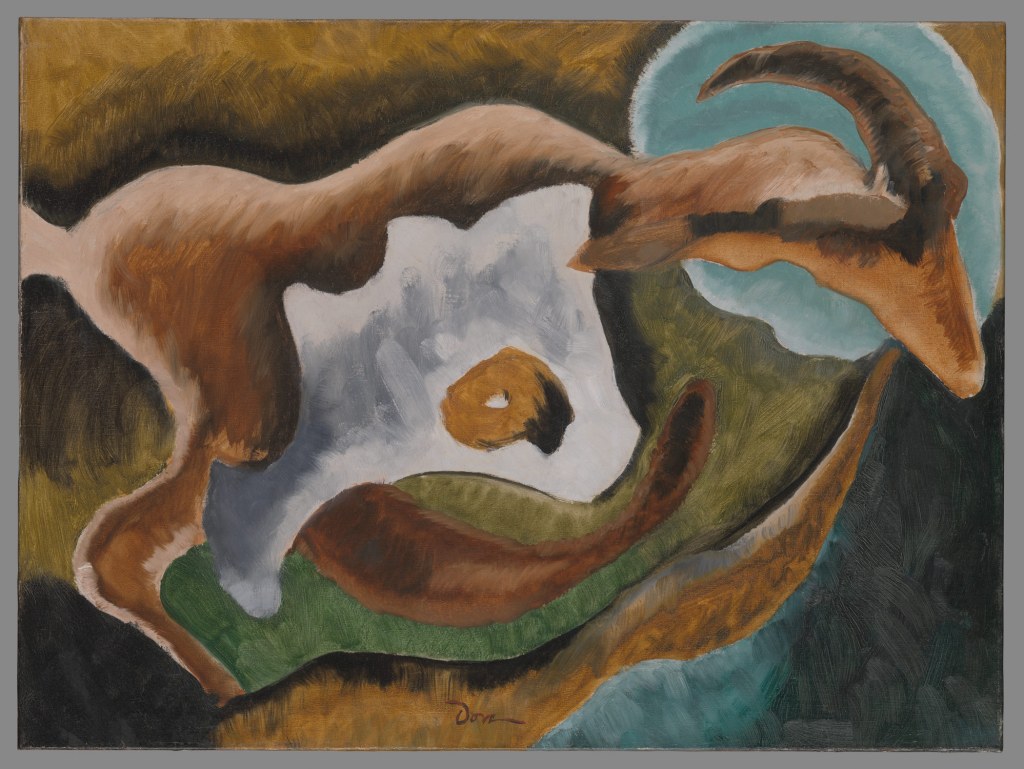
Continuing the factor of animals and their freedom, in my blog post called M.4: Public Art, it focuses on freedom. This blog post is centered on sculptures, and I believe the Lely Freedom Horses sculpture is one that really portrays the freedom of animals. Sculptures can also mean more than what they relay, which is the case with this sculpture in particular. There are more horses than just these 5, the others are jumping over the remains of the once standing Berlin wall. The horses jumping over remains of the Berlin wall definitely shows freedom and determination. Another blog post that talked about a piece of art with more meaning that what it shows is M. 3: Abstract Images. This is based on an abstract painting of a goat, and other shapes as well. This painting seems to be talking about how corporations and businesses are taking over small farms so that they can build a better economy for themselves instead of looking out for their local farms. Abstract paintings are great for telling a bigger story than what is painted on the canvas. They have different shapes and undefined lines that leave room for different interpretations. Both the freedom sculpture and the abstract painting relate to how animals are a great subject to use to portray the underlying meaning of the pieces of art.
Another art form that can use animals as their subject is poetry. Poetry is incredibly good at revealing emotions and feelings, and a great example that shows this is in the blog post M.6 Poetic License. The poem in this post was about a woman and her horse, and the language that the author used to describe her love for her horse and how she felt when she rode was remarkable. One thing about poems that I enjoy is the metaphors that are used in them. When poems reveal the hidden meaning or emotion, and you figure it out, is one of the best feelings out there. Using animals in poetry is great to hide the true meaning of the poem behind the animal, or to just use descriptive language in the poem to get the sense of loving that animal or even being it.
Overall, using animals in different art forms is great to represent different symbols or meanings of life, and to relate animals to us. This helps us to better understand animals and ourselves and using animals in art can help people better understand the art form as well. So, whether it be about horses, cows, or pigs, animals are a key part of art today and will continue to be in the future.
 Cows are Cool