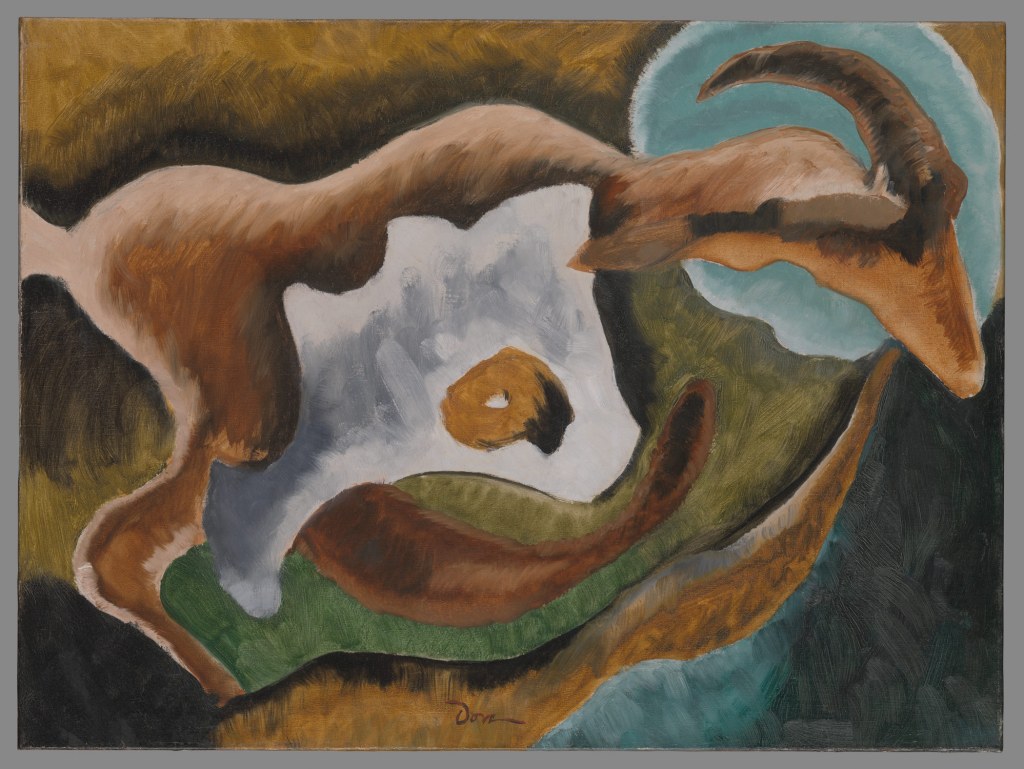
In the painting, Goat, by Arthur Dove, he obviously has painted what looks to be a goat that is jumping or missing parts. When we specifically look at the lines that Dove used in this painting, he is using open lines that are taking on different movements as some are curvy and some are horizontal. This shows that his painting is soft but it has stability, balance and more of a flowing feel to it. Also being able to see the brush strokes in the painting gives it a more rough, natural feel to it.
This painting also has all earthy tones to it, with the soft browns and greens, along with the ocean blues. These tones are not the typical ones when you see a goat, but they seem to more represent the soil, sky, and water. This gives the painting a peaceful, calm feeling about it, which is one of the reasons it spoke to me.
One of the things that drew my attention to the painting is the large white shape in the middle of the painting. It is difficult to determine its meaning as it seems to be interrupting the painting. It has such a powerful intensity to it, it seems to be overtaking the goat in the painting. This gives the painting a feeling of interrupted peace. It makes the painting seem like it once was calm and understanding but is now disturbed by this large white object. This white shape could be a play at all the larger corporations taking over smaller farms and turning them into land for skyscrapers or houses.
This is my final assignment submission, on a manifesto based on the one thing I love most, Animals.
Manure, a smell that makes some people gag, but to those that have grown up on farms with animals, they are used to the scent and it makes them feel at home. Walking into the barn is like walking into a piece of heaven, with the smell of dirt and hearing the horse’s tails swishing. The breeze flows through the rustic rafters and the sunlight pours through all the openings. The kind of arts that can capture these feelings are the best, being able to be at one with animals and being able to understand how they function. These arts can include those that are of actual animals, or against the corporations and businesses trying to take these feelings away. Those that are trying to build even more houses on land and in woods where animals have been thriving for years and now are being invaded. When artists portray the beauty that animals have and how their freedom should be saved instead of squashed, we are closer to canceling out those corporations.
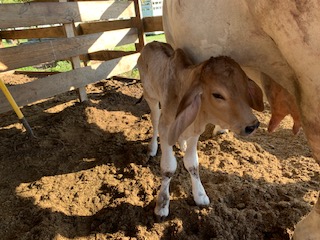
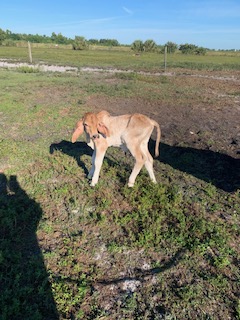
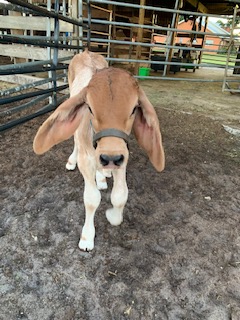
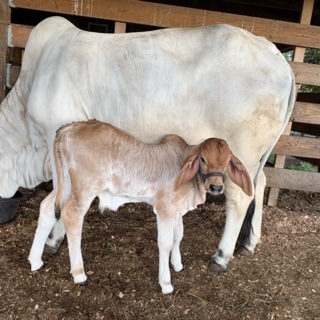
The beauty that animals represent are best shown in photography that show their full natural beauty. An example of this is the M.9: Photographer’s Eye assignment. This was done on a little calf and his growth from when he was born to the strong bull calf he is today. We got to see how this little fragile pile of bones and skin turned into this massive, buff, bull calf that would make people tremble in their boots if they did not know his personality. That is another aspect of photography, it can show the personality of its subject better than most people think. In this blog post, you can tell how this once shy and conserved baby turned into this proud, rambunctious child just by the poses that the photos were taken in. Another blog post that consists of photography is the M.2: Representative Work. It again features the little calf, but his mother accompanies him in this picture. This post is more focused on the motherly instincts that Kindle has for her calf. This represents perfectly the raw, natural instincts that animals live their lives by. They are not affected or changed because of trends or what people say to us like humans are. They live their lives freely, to act how they wish to act. Both photography arts can express the wonderful aspects of animals and how they can even relate to humans.
Continuing the factor of animals and their freedom, in my blog post called M.4: Public Art, it focuses on freedom. This blog post is centered on sculptures, and I believe the Lely Freedom Horses sculpture is one that really portrays the freedom of animals. Sculptures can also mean more than what they relay, which is the case with this sculpture in particular. There are more horses than just these 5, the others are jumping over the remains of the once standing Berlin wall. The horses jumping over remains of the Berlin wall definitely shows freedom and determination. Another blog post that talked about a piece of art with more meaning that what it shows is M. 3: Abstract Images. This is based on an abstract painting of a goat, and other shapes as well. This painting seems to be talking about how corporations and businesses are taking over small farms so that they can build a better economy for themselves instead of looking out for their local farms. Abstract paintings are great for telling a bigger story than what is painted on the canvas. They have different shapes and undefined lines that leave room for different interpretations. Both the freedom sculpture and the abstract painting relate to how animals are a great subject to use to portray the underlying meaning of the pieces of art.
Another art form that can use animals as their subject is poetry. Poetry is incredibly good at revealing emotions and feelings, and a great example that shows this is in the blog post M.6 Poetic License. The poem in this post was about a woman and her horse, and the language that the author used to describe her love for her horse and how she felt when she rode was remarkable. One thing about poems that I enjoy is the metaphors that are used in them. When poems reveal the hidden meaning or emotion, and you figure it out, is one of the best feelings out there. Using animals in poetry is great to hide the true meaning of the poem behind the animal, or to just use descriptive language in the poem to get the sense of loving that animal or even being it.
Overall, using animals in different art forms is great to represent different symbols or meanings of life, and to relate animals to us. This helps us to better understand animals and ourselves and using animals in art can help people better understand the art form as well. So, whether it be about horses, cows, or pigs, animals are a key part of art today and will continue to be in the future.
This is my module 14 assignment submission, and this will be on a prose of the painting Christina’s World by Andrew Wyeth.
Andrew Wyeth, Christina’s World
The grass is starting to make my arms itch as I continue to crawl towards the farmhouse. I had known this was a bad idea from the start, but I just wanted freedom. I didn’t expect the horse to spook and rear up, he has never done that before. But then again usually someone is around to make sure he doesn’t. But I just couldn’t stay in that house any longer, the suffocating attention, seeing the same walls, same people every day. Ever since I was paralyzed from the waist down, that’s what my life consisted of. Having to depend on other people to help me get out of bed, get dressed, to just get around. Of course, we can’t afford one of those fancy wheelchairs, so I have to sit in one that others have to push me in. My mother is constantly fussing over me, making sure I am okay, and my dad acts like I am invisible, since now I am utterly useless. I am 20, and I’m still living with my parents and siblings, with no bright future in my life. But rather than sitting in my sorrow, I need to get back to the house before someone notices I’m gone. Maybe then they’ll realize that I am capable of taking care of myself…
Justification
For this assignment I decided to use the painting Christina’s World by Andrew Wyeth. I decided to choose this one because I have seen this painting before this class, and I enjoy writing stories in a person’s perspective. I believe the crucial detail in this painting is the woman in the center of the canvas. There are many different views that can be applied to this painting, the woman just sitting in the grass, or crawling, or she just fell, etc. I think that another important detail of this painting is the buildings and the older feeling that the painting gives off. My translation preserves the painting’s intended meaning because I include the woman and farmhouse in my prose, including the grass of the hill that Wyeth had spent so much time on. I believe that this painting evokes a desperate, hopeless emotion, which I tried to include in my prose. The woman’s desperateness for freedom puts her in a hopeless situation where she has to crawl back to her home. Since the painting does not have one hint of modern in it, I tried to make sure that I made no references to anything modern. Also, by including the grass and farmhouse in my prose, I replicated those that are in the painting. Lastly, I believe that my interpretation brings a different meaning to the table. That maybe the woman wanted to be away from the ideal farmhouse instead of trying to get back very desperately. But instead she is getting back because she has to, not because she wants to.
This is my module 13 assignment submission, and this will be on Pipilotti Rist’s, Ever Is over All, video.
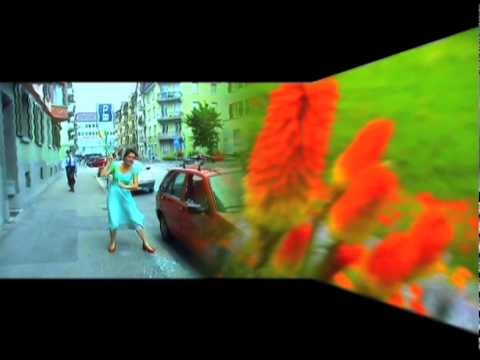
In this video, there is a main character, but no obvious narrative like a typical tv show would have. This main character is walking along the sidewalk happily, and then all of the sudden she uses what seems to be a long stick to break a car window. Upon closer investigation, the stick used as a weapon is actually a flower. This gets even more interesting, because we do not only get a frame of the woman breaking car windows, but also of large flower blooms. The flower being used by the woman is the same as one of the flowers shown in the frame of flowers. I believe this is one of the most important parts of this video because it is so peculiar at first site. Also, the fact that she is happily breaking this car windows is an important part of this video.
Even though there are no words in this video, I believe there is still a point coming across. I believe this video is about feminism, and the main thought that helped me to come to this decision is when the female officer just walks past the woman, and then in a friendly gesture, salutes her. She took no action to stop the woman from what she was doing and even seemed to have respect for her. Another reason why I think this is because of the fact that she is breaking the glass with a flower, which usually wouldn’t be able to break a window. I think it shows that even a ‘fragile’ woman (flower) can stand up to a man (glass).
This video has opened my eyes to how tv is more than just moving pictures and sound. It can have more underlying meanings by the actions and the objects used to carry out those actions.
This is my module 12 assignment submission, and this will be on an analysis of the Act V Scene 1 from Hamlet.
In this scene it features the burial of Ophelia and the starting fight between Laertes and Hamlet. But to start the scene off Shakespeare gives us a focus on the gravediggers. These commoners are forced to work for the wealthy rather than the upper-class doing their own dirty work. The gravediggers talk about how even though Ophelia killed herself, she is still getting a Christian burial. This would not have happened if she wasn’t part of the nobility or monarchy. The gravedigger plays another role in this scene as he is the only person that can argue with Hamlet on the prince’s level. The funny part of this is that the gravedigger doesn’t seem to know that the man he is speaking to is the prince. This again shows the divide between the noblemen and commoners, although Hamlet is socially superior to the gravedigger, they are equally intelligent.
The next part of this scene that we need to focus on is that Hamlet has spoken rather blithely about death and suicide himself. But when he is confronted with the reality of death, he’s disgusted by the facts of it and the stink of corruption and rot. This affects him differently than even facing his father’s ghost. The gravedigger helps Hamlet to see what it really means for life to come to an end, where it begins to fade from both physical and emotional memory. This really hits him when he holds Yorick’s skull in his hand, someone that he once knew and loved, now erased by death. He also is very puzzled seeing a man that is working to bury the dead, do his job happily.
All of the YouTube videos that I watched related to what I thought of the scene. That the gravediggers were bringing some humor as they talked about the unfairness of the nobles and monarchs. But the videos have also given me insight to how dramatic that scene had been as well, particularly with the fight between Laertes and Hamlet. I chose this scene because I liked how it showed the difference between how the commoners and the upper-class were regarded. Also the dark humor that the gravediggers created, made a light atmosphere before grave emotions later on in the scene.
This is my module 11 assignment submission, and this will be on the synopsis of Secretariat and the analysis of Spirit, Stallion of the Cimarron.
In the movie Secretariat, there is a specific focus on the owner, trainer, and groomer of the famous racehorse, Secretariat. There is a specific scene where the owner goes to a coin flip to see who gets what foal, and they included a close up of the trainer looking at the breeding chart that would be the start of their successful career. This view works much better than five minutes of dialogue. One of the last few scenes before the last race, we get a scene of the owner and her horse looking each other in the eye for a long time on that important morning. This creates such importance and emotion in the movie and is crucial for the upcoming scenes. Overall, the movie is about the background of a record breaking racehorse, provoking and providing emotion to make us fall even more in love with “Big Red”.
The second movie that I would like to cover is called Spirit: Stallion of the Cimarron. This is a popular children’s movie, especially for those that love horses. It has a general focus on this buckskin stallion that gets captured and tries to find his way back to his herd. It is full of action packed scenes that will move your heart with sadness and happiness.
One specific scene in general is called the Engine of Destruction scene. This scene involves Spirit, the stallion, realizing that the humans are going to build and infiltrate his herd’s homeland. So he decides to put a stop to it and uses his wise tactics and wild determination to help save his herd and the other horses that are captured with him. This scene is very dramatic, involving Spirit even faking his own death so that he can get out of formation to put his plan into action. The camera captures a close-up shot that zooms in right at the exact moment that he breaks out of the chains dragging him so that he can go release the other horses. There are a lot of those close up shots that reveal Spirit’s reactions to the different plot changes that come his way. The lightening has an effect on this scene as well. For example, when he gets to the top of the hill and the sun shines bright in his eyes, he realizes what they are planning to do and it is like the sun gives him an idea and he begins his masterplan. This scene does join to the broader message of the film, showing how humans were destructing the land of not only the Native Americans but of the wild horses as well.
This is my module 9 assignment submission, and this will be on the theme of “The little calf” with pictures.
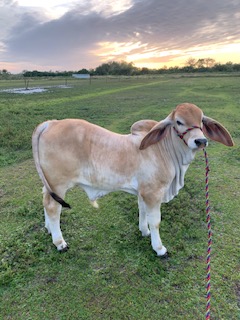
Some people may do a theme of love, music or beauty, but for the theme of this photography collection it will be “The Little Calf”. This is sort of a spinoff of Ali Mobasser’s A Life Told with ID Photos, but instead of the subject being a person, it is done with a bull calf. The importance of this theme is to see the physical changes that this bull calf has gone through in the last two and a half months of his life. He has changed from a feeble, wobbly newborn, to a stocky, muscled bull calf.
December 5, 2019
Newborn
This is the day that the calf, Eeyore was born. He did not have much body weight on him but he was all legs, and a bigger calf than most calves. His body was skinny and wobbly, almost like he wasn’t used to his body. This is what most newborn calves’ bodies look like though, so that they are able to fit in their mother’s womb and be delivered safely.
December 6, 2019
1 Day Old
The day after Eeyore was born, he gained more sureness in where to place his feet and fell less when he tried to run. He still has the skinny wobbly body, but since he is now drinking his mother’s milk, he is gaining strength and weight. He also has all of his baby fur on him, and eventually he will lose it all and see what his true coloring is.
December 9, 2019
4 Days Old
A few days after he entered the world, Eeyore has begun to be more curious and spunkier, his personality coming out. His body structure has not really changed since he was born, but he is definitely starting to fill out some. Some things that will eventually change about him are his ears and the color of his nose. His ears look huge on him, but as he will get older, they will not look as big. Also, his nose will eventually lose the pink detailing it has.
December 12, 2019
9 Days Old
Eeyore has started to gain weight, losing the malnourished look for one of growth. The pink on his nose is starting to go away and his head is starting to grow into his ears. Another physical change he will go through is his hump, it looks very small now, but as he will get older his hump will get to twice the size of what his mother’s is.
January 5, 2020
1 Month Old
A month old, now he can start more of his training to obey being led around and respect personal space. He has developed more muscle to where he can pull back and keep himself from going anywhere if he doesn’t want to. Another factor that will eventually change is his curved back. As he grows older and into his body he will achieve a straight lined back instead of a curved one that shows unevenness.
January 30, 2020
1 Month, 25 Days Old
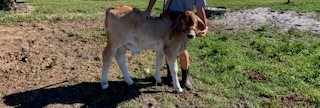
We now see that Eeyore is starting to grow into his ears, they are now the same size of his head instead of being two times the size of his head. Also the pink part of his nose has almost disappeared completely, compared to when he was born. His attitude toward people has also changed, he is less skittish around my family now.
February 25, 2020
2 Months, 20 Days Old
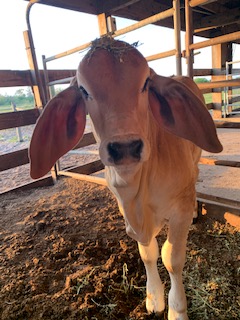
This is the latest picture of Eeyore and you can see the real physical difference from when he was first born to what he looks like now. He has a lot more muscle and skin on him now compared to the pile of skin and bones he was when he was born. His hump has gotten bigger and his topline is gradually straightening out.
Conclusion
As we can tell, “The Little Calf” is a collection of pictures of Eeyore, a brahman bull calf, as he grows up. We seem him change from a tiny bag of bones and droopy skin to a muscled and filled out bull calf. Not only did his physical appearance change but so did his attitude. He changed from a shy little calf to a rambunctious, full of energy young bull. So to end this collection, the central idea of “The Little Calf” is important to show the growth that occurred in Eeyore so far, and be a symbol of how all other animals grow as well.
This is my module 8 assignment submission, and this will be on the following six songs that are based on the idea of animals.
All of these songs relate to the theme of animals. With the starting song being titled this and the other ones having or relating to animals, they are all connected. So you can think of ‘Animals’ by Maroon 5 as the introduction to the music and all of the other songs as the body of the music or playlist. I chose this as the theme because I love animals and I could not think of any other theme to chose for this assignment. As you can tell I do almost all of my assignments on animals because of how much I love them and how passionate I am about them. I have heard all of these songs in the past and they all have relevance to me because of their relation to animals and in particular because of lot of them refer to people as animals too. Which is true and I think a lot of people think the opposite because of how they treat animals as below them.
Animals – Maroon 5
The song “Animals” by Maroon 5 relates to the topic because of the fact its title is animals. But the song talks about how humans or the particular guy acts like an animal and constantly watches the girl like an animal would prey. The tempo of the song is fast, the vocalist singing fast and the instruments building up and creating a fast tempo. I believe there is a good amount of consonance in the song, but there is some dissonance, for example in the bridge of the song. The emotion that this song invokes is one of desperation and longing, which we can tell from the lyrics and the intensity of which the instruments are being played at.
Save a Horse (Ride a Cowboy) – Big & Rich
The song “Save a Horse” by Big & Rich relates to the theme because a horse is an animal, and one of my favorites so I had to include it. I also included it because again it is referring people to animals. The song talks about instead of riding a horse, ride a cowboy. This can be thought of in a mature way or an immature way, but for the sake of this assignment we will look at it in a mature way. The tempo of this song is also fast, with quick words and fast playing instruments like the banjo. I like this song and believe there is a lot of consonance but others who do not like country songs may say the opposite and say there is a lot of dissonance. The emotion of this song invokes cockiness, because of the proudness of the lyrics and the boldness of the instruments.
Who Let the Dogs Out – Baha Men
The song “Who Let the Dogs Out” by Baha Men relates to the theme because I had to include one of the most popular animal, a dog. The song talks about women as dogs, which I don’t particularly like, but the song has a catchy chorus, which everyone knows. The tempo is very fast and upbeat, slowing down very rarely. I don’t think there is any dissonance in this song as it is very catchy and seems to flow very well. The emotion of this song is energetic, it gives you sense of dominance and helps to hype people up.
Surfin’ Bird – The Trashmen
The song “Surfin’ Bird” by The Trashmen relates to the theme because again, a bird is an animal. Honestly the song says a max of 10 different words in the entire song, but there is no definite topic of the song except, “The bird is the word”. The tempo of the song is very fast, it does not slow down at all because it says the same phrase over and over at the same pace. This song can get annoying fast so it could have some dissonance in it but it is very catchy for the first 5 seconds of the song, so it has some consonance. The emotion that this song invokes is almost annoyance because of its continuous repetition.
Eye of the Tiger – Survivor
The song “Eye of the Tiger” by Survivor relates to the theme because of tiger being in its song title, like the other songs. This song is the same as the others by the fact of relating humans to animals. The tempo of the song is not as fast and upbeat as the others but this one is more alternative that still has a nice beat to it from the drums but also is calm and not overwhelming. This song has a lot of consonance as it doesn’t seem to change tempo at all during the song, with the same calm sound through the whole time. The emotion that this song invokes is confidence, this is a kind of song that gets people hyped and ready to accomplish goals.
The Lion Sleeps Tonight – The Tokens
The song “The Lion Sleeps Tonight” by The Tokens relates to the theme, again because of the animal in the song title. In this song, unlike the others, it refers to an actual animal and not about how humans can act like animals. This song has a lot slower of a tempo compared to the other songs in the playlist with the constant “Wimoweh” part to the song that is continuous in the background. The snapping in the background also gives the song a slower tempo. This song can have some dissonance in it because of the one female singer that sings back up sometimes, and her voice can be a bit annoying sometimes. Also the male singers almost sound like they are trying to sing louder than they can. The emotion that this song invokes is calmness and peace because of its snapping and the constant “Wimoweh” being sung.
This is my module 7 assignment submission, and this will be on the story of when my cow, Kindle, had her baby.
So to start this off, Kindle was turned out to be bred at the start of February and we got her back at the end of July. I was very worried that she would end up not being pregnant after wishing and hoping for it for months. So we were waiting for days, trying to figure out exactly when she might be due and if she is even pregnant. We could tell she was getting bigger, and the vet continued to tell us different signs that would show us if she was pregnant or not. Some of these would be her having discharge every month for so many days. Kindle was having this so I was worried she wasn’t pregnant, or if she was, she lost the calf.
All of these thoughts were going through my head in November and December, as that was the estimated time we thought she would have her baby. We figured this out by a livestock pregnancy test that we found online and it was actually very accurate with her due date. All of this led up to December 5, when Kindle finally had answered my prayers and worries. She had her calf, a little red calf that is full of spunk and energy. I actually did not get to see the birth as I was at school. But when she gave birth to the baby, she had a terrible medical condition known as prolapsing. This is when her uterus will actually come out of her vulva into the open. This is incredibly painful for her and I was beyond worried for her when I got home, but thankfully our vet stitched her back up and she was as good as new.
Now we have a healthy momma and a rambunctious baby running around the field and I could not be happier with them.
And then I thought, Can I have more of this, would it be possible for every day to be a greater awakening: more light, more light, your face on the pillow with the sleep creases rudely fragmenting it, hair so stiff from paint and sheet rock it feels like the dirty short hank of mane I used to grab on Dandy’s neck before he hauled me up and forward, white flanks flecked green with shit and the satin of his dander, the livingness, the warmth of all that blood just under the skin and in the long, thick muscle of the neck— He was smarter than most of the children I went to school with. He knew how to stand with just the crescent of his hoof along a boot toe and press, incrementally, his whole weight down. The pain so surprising when it came, its iron intention sheathed in stealth, the decisive sudden twisting of his leg until the hoof pinned one’s foot completely to the ground, we’d have to beat and beat him with a brush to push him off, that hot insistence with its large horse eye trained deliberately on us, to watch—
Like us, he knew how to announce through violence how he didn’t hunger, didn’t want despite our practiced ministrations: too young not to try to empathize with this cunning: this thing that was and was not human we must respect for itself and not our imagination of it: I loved him because I could not love him anymore in the ways I’d taught myself, watching the slim bodies of teenagers guide their geldings in figure eights around the ring as if they were one body, one fluid motion of electric understanding I would never feel working its way through fingers to the bit: this thing had a name, a need, a personality; it possessed an indifference that gave me logic and a measure: I too might stop wanting the hand placed on back or shoulder and never feel the desired response. I loved the horse for the pain it could imagine
and inflict on me, the sudden jerking of head away from halter, the tentative nose inspecting first before it might decide to relent and eat. I loved what was not slave or instinct, that when you turn to me it is a choice, it is always a choice to imagine pleasure might be blended, one warmth bleeding into another as the future bleeds into the past, more light, more light, your hand against my shoulder, the image of the one who taught me disobedience is the first right of being alive.
This poem is obviously about horses, already knowing this from the title of the poem. This poem goes into depth though about horses and the true bond between a horse and their rider. The first stanza of the poem talks about how it feels to ride a horse, to feel their coarse mane through your fingers when they make a sudden movement. To feel their strong neck move when you pat it after having a good workout. How smart and reactive a horse is to our command, seeming smarter than some humans we know. One part of the poem that was particularly humorous to me is the description of a horse stepping on your foot. This has happened to me plenty of times, and to be laid out and understood so well made all those previous times of almost losing a toe, pretty funny. Most of all though, this poem identified how horses work, with their curiosity and trusting self, that they choose to put their lives in our hands.
The central image of the poem is the love and adoration that this rider has for her horse. She shows this by including not only her own experiences but also by watching others with their horses. One metaphor that is used in the poem is “hair so stiff from paint and sheet rock it feels like the dirty short hank of mane…” (lines 6-9) comparing the hair to a horse’s coarse, rough mane. I also believe that when Rekdal talks about “more light, more light” (lines 3-4 ; 57) she is using it to say that she wants to remember more of these awakening memories. So even though the denotation is more sunlight appearing, the connotation is that she needs more light or more information on this memory. There does not seem to be any consonance or assonance in this poem, with no sounds being repeated what so ever. The only repetition is the “more light, more light” said at the beginning of the poem and the last part of the poem. There is no specific name given to the speaker, but it is someone that loves horses, and enjoys to ride and talk about them.
This is my module 5 assignment submission, and this will be on the interior architectural structures of my family home and horse barn.
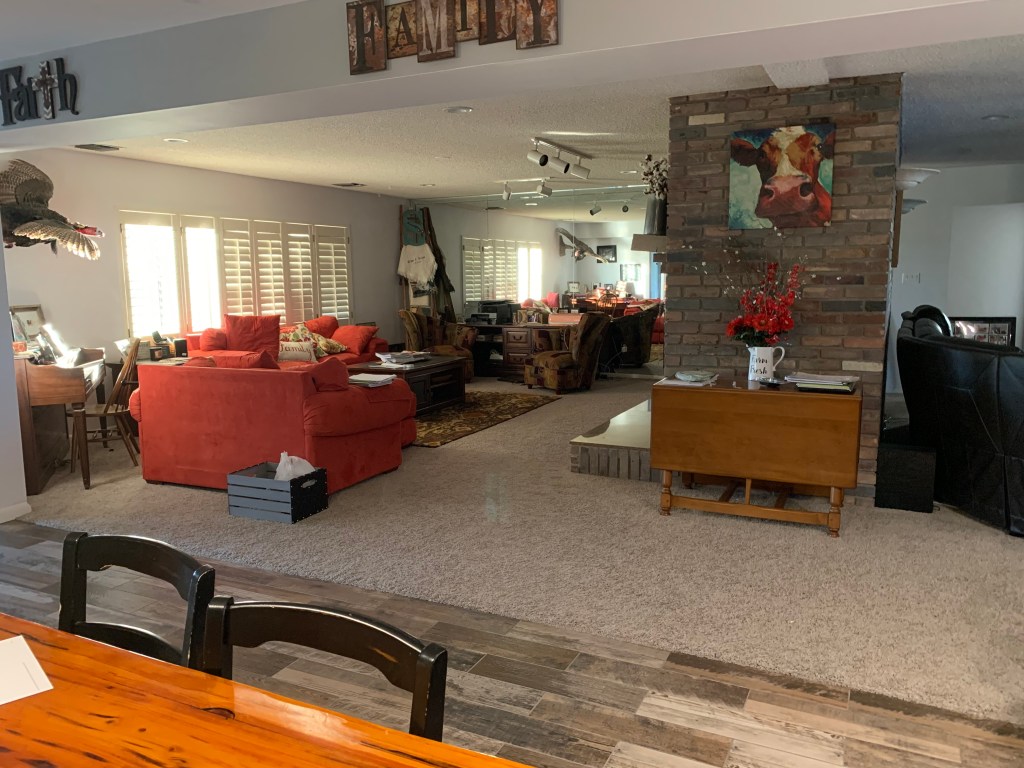
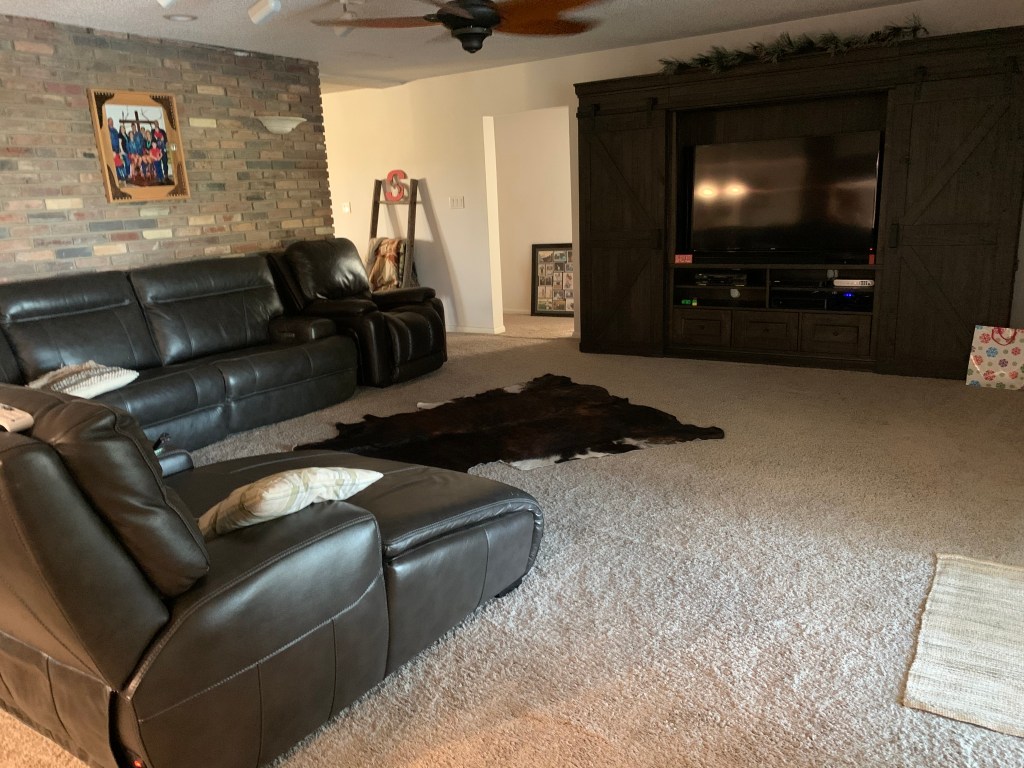
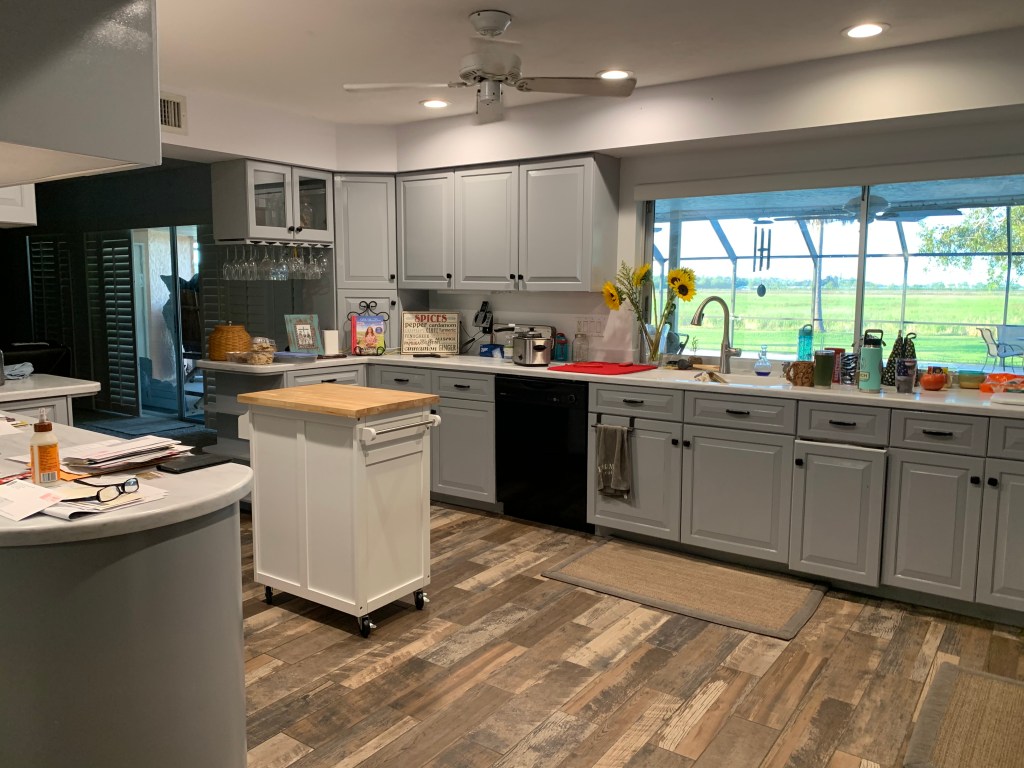
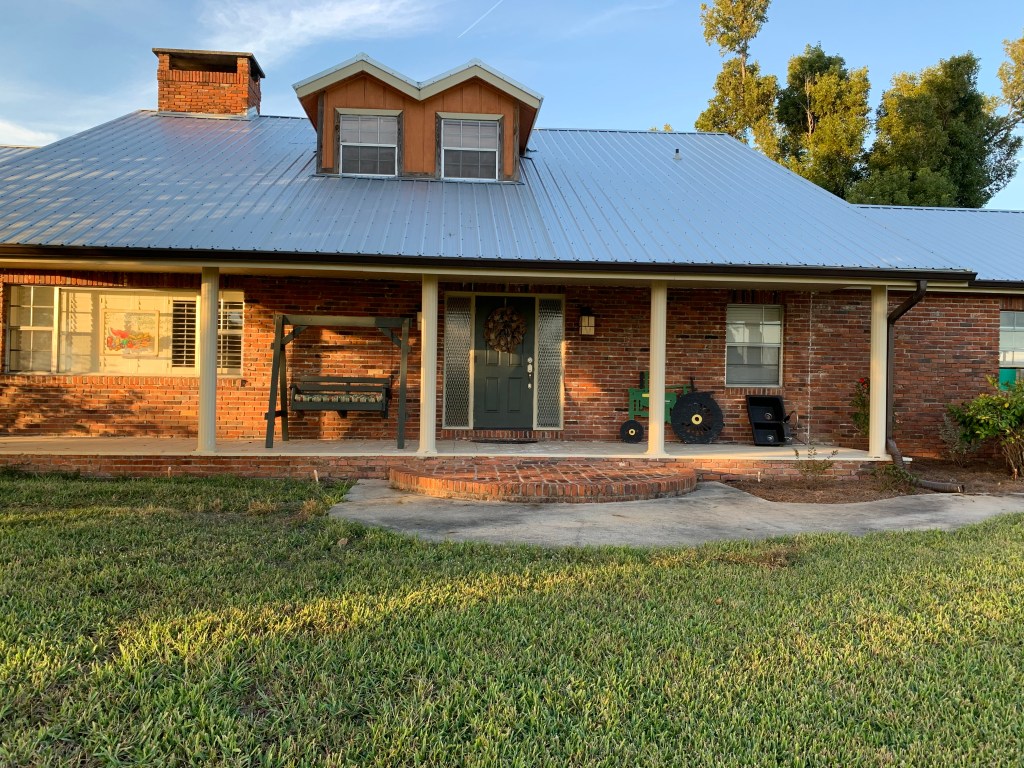
Pictures of the front porch, living rooms, and kitchen of my family’s home.
My Family Home
I love my family home, mainly because of its openness and all the natural light that it lets in. My home is very open and divided by the themes of a specific section of a room. For example, our kitchen and dining room are separated by a small breakfast counter. Then the living rooms are separated from the kitchen and dining room by a switch of tile to carpet flooring. The two living rooms are divided by a thick brick wall that also houses our fireplace. All the other rooms in the house, such as bedrooms and bathrooms are physically separated by walls. The affect by these divisions gives the large communal space a huge sense of homeliness and welcoming. This is achieved by the openness and the natural light that makes the space seem even bigger. It definitely serves as a domestic place because of its openness and how welcoming it is. This house is also very unique because of the many subtle touches of brick inside of it. There is the large brick wall dividing the two living rooms and a brick column at the end of the breakfast counter. This is why I very much enjoy spending time in our home.
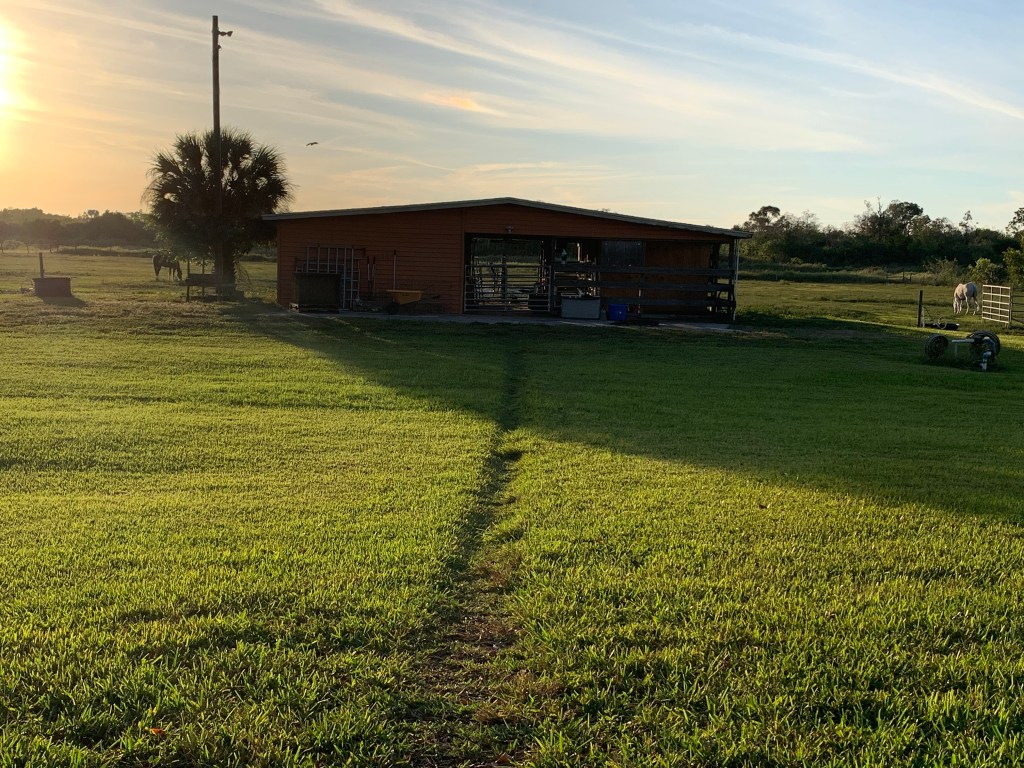
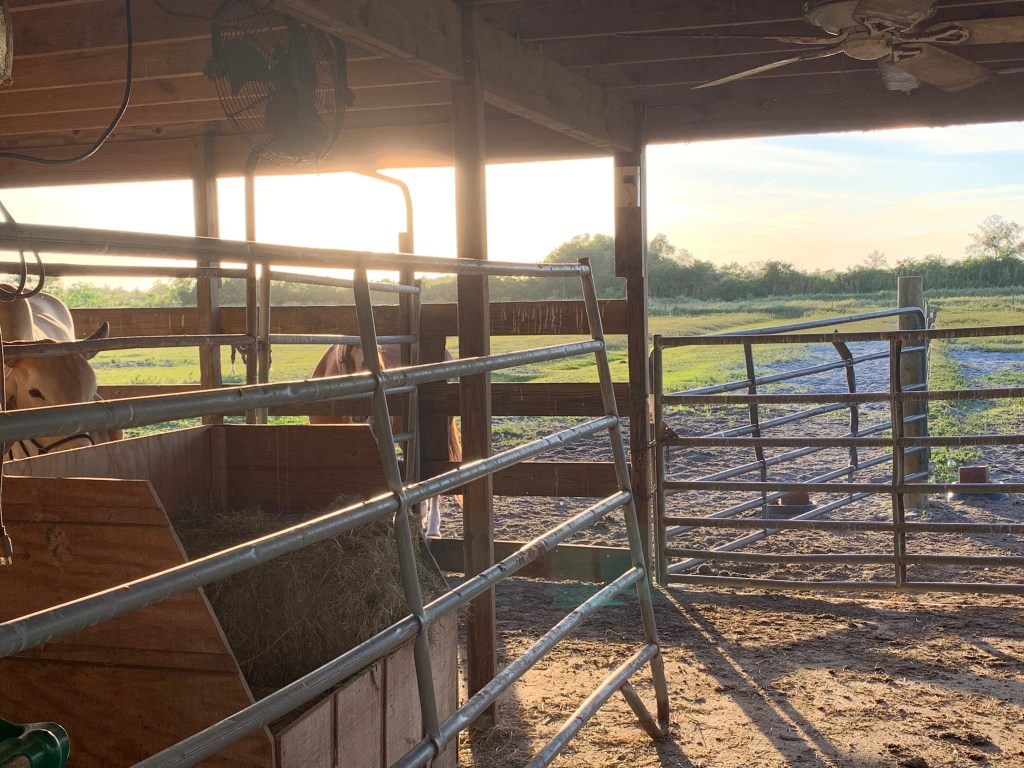
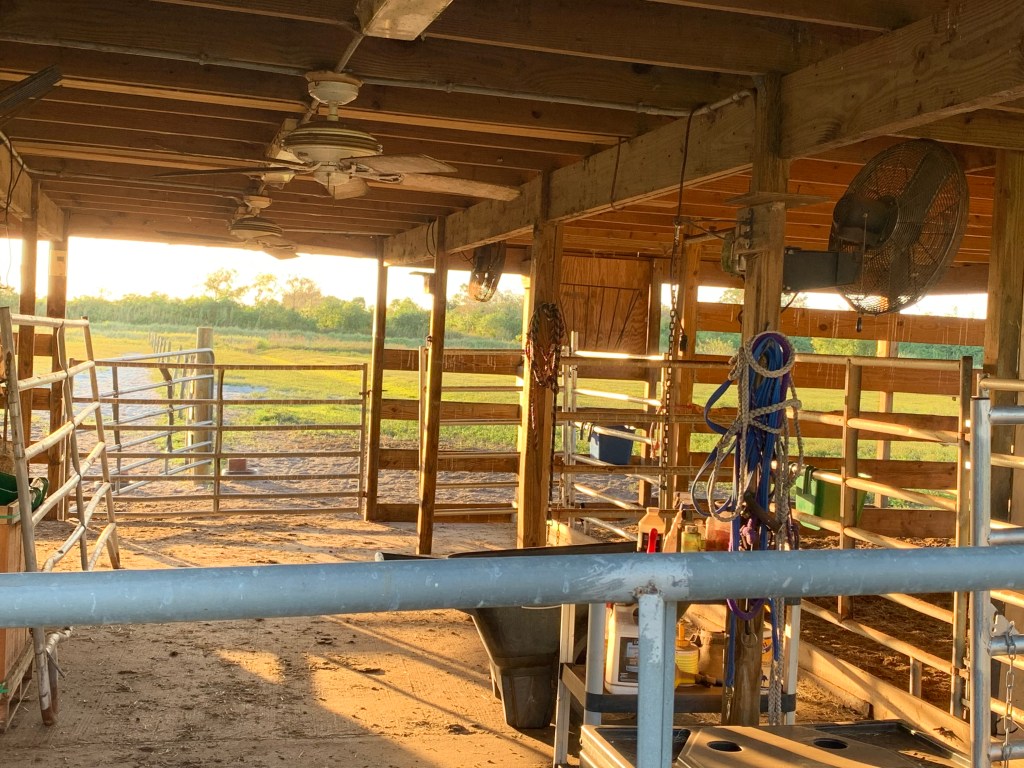
Pictures of our horse barn.
Horse Barn
The barn’s function is to give our horses and cows shelter and a place to eat. The interior is structured completely differently than that of our home. There is only one fully enclosed room and that is our feed room (not pictured). Because of this the barn feels very open with all the natural light seeping between the spaces of wood and panels. This place is also a lot less tidy than our home, and this is mostly because it is a lot harder to clean up after animals than it is humans. I spend a lot of time in the barn because of it’s openness and because of its character. The rafters are one of my favorites because of how much character and rawness it gives the structure. Also being out in the fresh air, that shades some of the heat but still keeps you warm is better to me than an air conditioned home.
This is my Module 4 assignment submission, and this will be on the public sculptures of the “Lely Freedom Horses”.
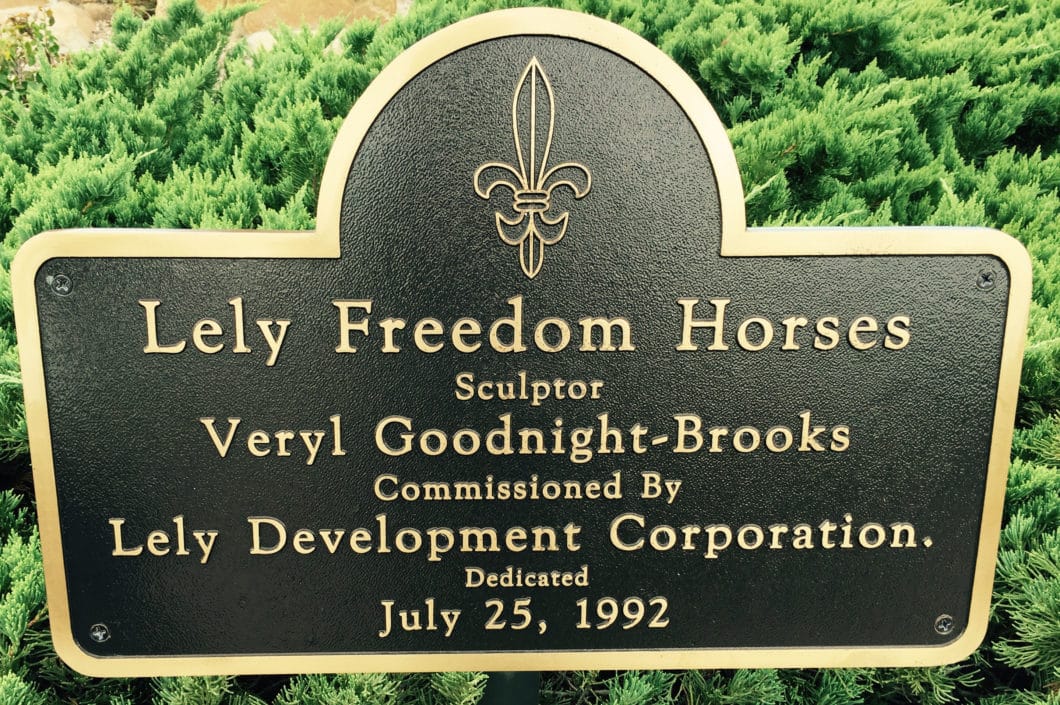
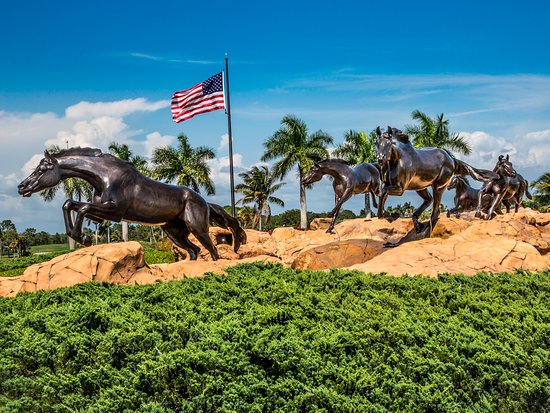
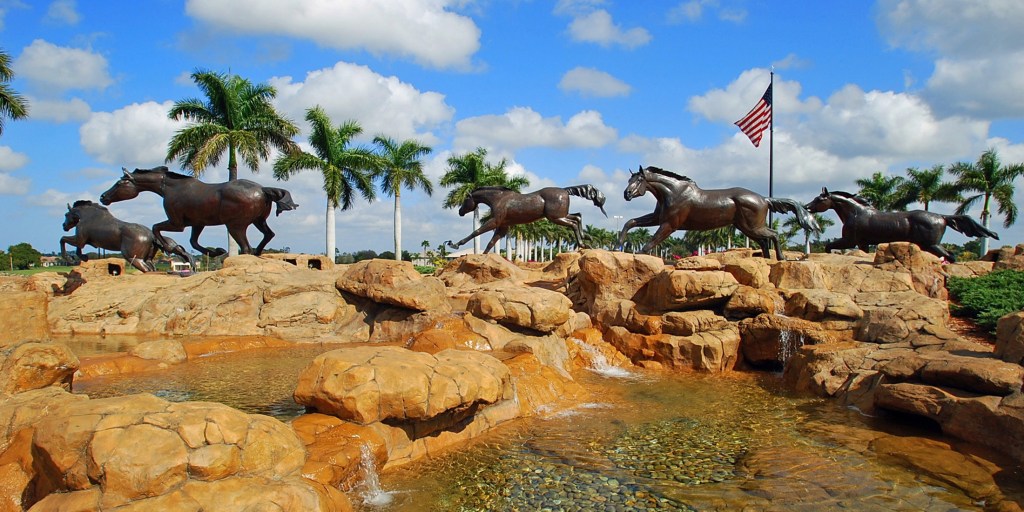
The Freedom Horses at one of the entrances of Lely Resort with the plaque.
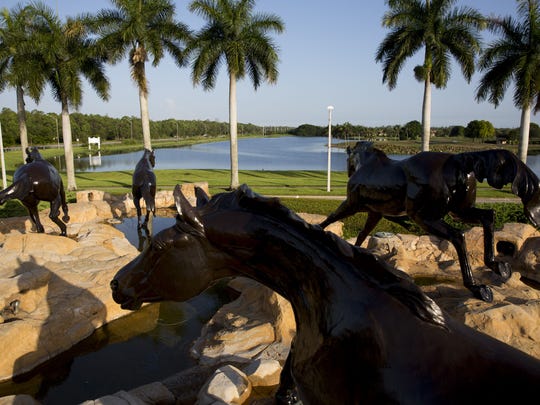
This shows all the water between and surrounding the horses.
The Freedom Horses
The Lely Freedom Horses have been known all around Naples, Florida and are a constant tourist site for snowbirds to take pictures with them. The subject of this sculpture is definitely about horses, but also we can take it a step further and say that the subject is about running, and jumping over obstacles for our freedom.
The sculpture expresses its purpose of not only welcoming everyone into Lely Resort, but also to represent freedom. These horses are not the only ones of their kind. The sculptor, Goodnight-Brooks, has also made a sculpture similar to this one, but instead of jumping over rocks and water, they are jumping over the remains of the once standing berlin wall. So these freedom horses are just a few of many that represent the newfound freedom of those trapped in Berlin.
This specific site of the horses represents the Naples community, which is shown by the incorporation of the water and large amount of foliage. When Goodnight was originally sculpting the horses, the Lely Development Corporation made sure that the horses were surrounded by water and plants that resembles the environment of Naples, Florida. Naples is all about tourism, the ocean and plenty of plants, which the Freedom Horses seem to cover very well.
This sculpture is full round, at a size of 30 feet long, 18 feet wide, and 12 feet high, with all 5 horses. All the horses are connected at a base, which is hidden by the many rocks, water and plants that connect all the horses. The horses blend right into their surroundings by making it look like they were just regular horses running over a small stream in the wild.

 Cows are Cool